The great Episcopal preacher, Mo. Flemming Rutledge, is oft quoted for saying, “Advent begins in the dark.”
Not only is this literally true (in the northern hemisphere) as we near the darkest time of the year, but it is liturgically true. Advent is a season that emphasizes two dueling realities: light and darkness. Advent begins in the dark but does not remain there; it tells the story of light’s progressive emergence in the darkness. As St. John, the Evangelist put it, “the light shines in the darkness and the darkness has not overcome it” (Jn 1:5).
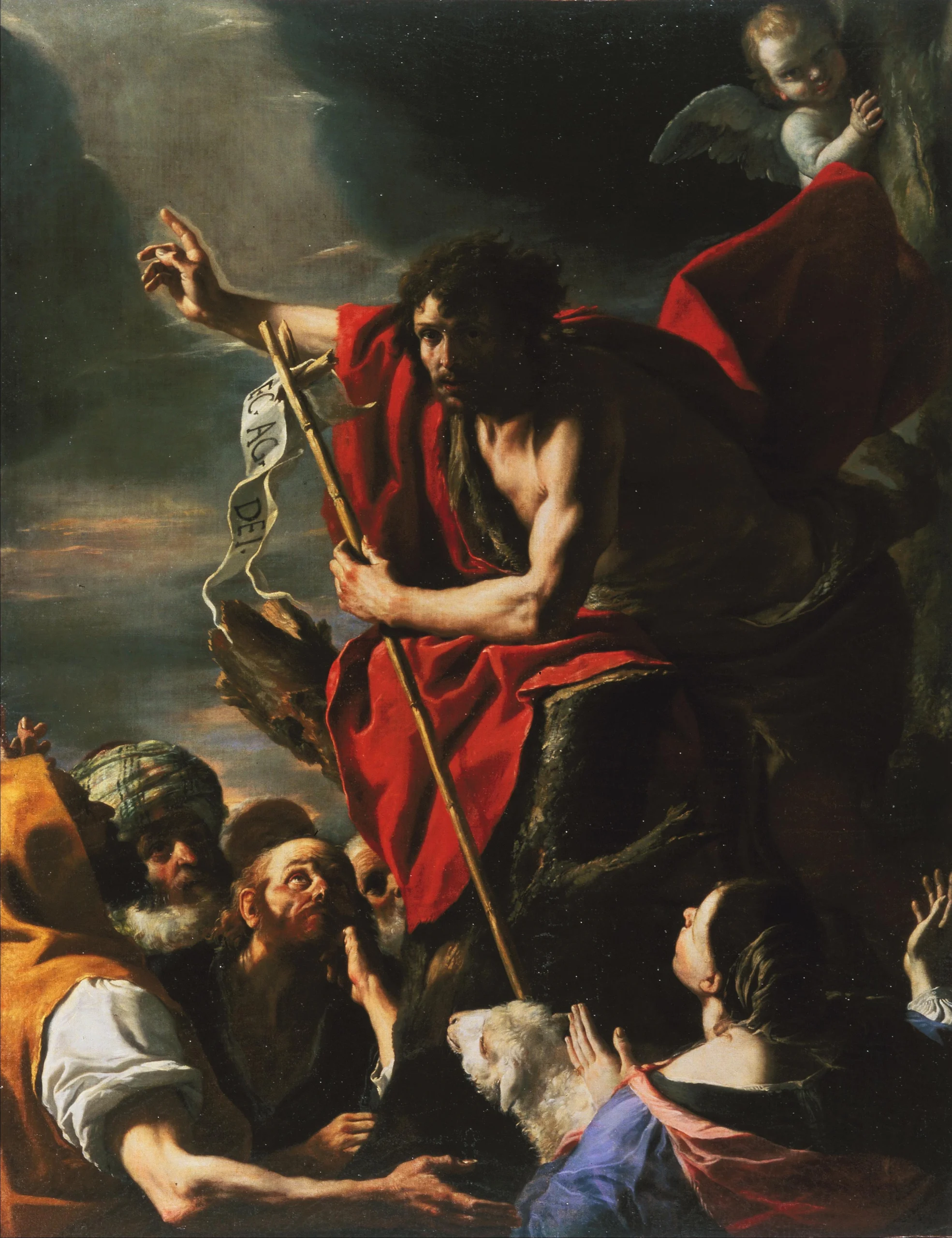
Advent marks the beginning of the liturgical new year and sharpens the church’s gaze upon the coming of Christ. The word “advent” simply means “coming.” As such, it is a season of waiting and preparation with eager expectation and longing for the second coming of Christ. Over the last century, especially in the West, the church has focused more of its energy on the first coming of Christ. It makes sense, to be sure, as this season is dedicated, in part, to the preparation of feast of the Incarnation. That said, the early and medieval church devoted much more of their Advent attention upon the second coming of Jesus. This is reflected in our lectionary readings, which draw the church into the apocalyptic teaching of Jesus and John the Baptist, calling the church to keep watch, repent, and be prepared for their bridegroom.
The mood of Advent is profoundly honest about the state of our waiting in darkness. Consider our Advent hymnody, for example, in which we sing: “O come O come, Immanuel, and ransom captive Israel that mourns in lonely exile.” Or “come thou long expected Jesus… from our fears and sins release us, let us find our rest in thee.” We are unafraid to speak as a people of longing that we dwell in dark places. Advent is brutally honest about the world, not failing to hold back our disappointments and lamentations about the pain and corruption of living in a sin-marred world. This is why the church has historically devoted itself to forms of self-examination, penance, and fasting before the Christmastide feast.
If your experience is anything like mine, however, your days in Advent are spent less devoted towards longing and fasting and more on your consumeristic impulses and lavish feasting. We have gifts to buy and parties to attend. It’s unavoidable, to some extent, and I’m not one to trample on the magical nature of December. Nevertheless, many of us collapse into Christmas rather than meeting it with a triumphant festal shout. After kids open their gifts under the tree, many of us want nothing more than to pack up all the ornamental decorations, take a nap, and begin our New Years diet cleanse (i.e. the modern language for fasting). The commercialized Christmas Calendar is almost exactly opposite to the church’s liturgical calendar.
In November of 2020, amid a polarizing political cycle, a colleague of mine in Dallas showed up to Church with a t-shirt that said, “Make Advent Great Again.” The t-shirt cut through the divided congregation like a knife through summer butter. Everyone universally laughed and loved it. As Anglicans, the church calendar is one of our greatest resources and a witness to the watching world. We live in an enchanted world and the time we inhabit tells a story of God’s redemptive acts of old. The story Advent tells is that Jesus, the light of the world, is coming back and we need to be ready.
So how do we Make Advent Great Again?
Embrace a Holy Discontentment:
We are a people living between the advents of Christ. As such, we experience the shadow lands of toil in decay. While God’s promises are “yes and amen” in Christ, they have not yet been fulfilled completely. We still struggle with besetting sins, we still endure persecution and the chaos of corruption, we live with the problem of pain and perils of death. There is always a temptation to live in a form of sentimental denial of this reality. This is not Christian; it is a delusional form of escapism in which we seek to distract ourselves from difficult realities.
The gift of Advent for the church (and a watching world, which shares in this same experience) is the gift of honest lamentation and longing. I dare say that longing for renewal with a “holy discontentment” is one of the most compelling witnesses of the church. In fact, many people find this brutal honesty as one of the most attractive features of the church. As Christians, we bring our honest longings before the promises of God and recall his faithful character to fulfill His Word.
Keep Watch:
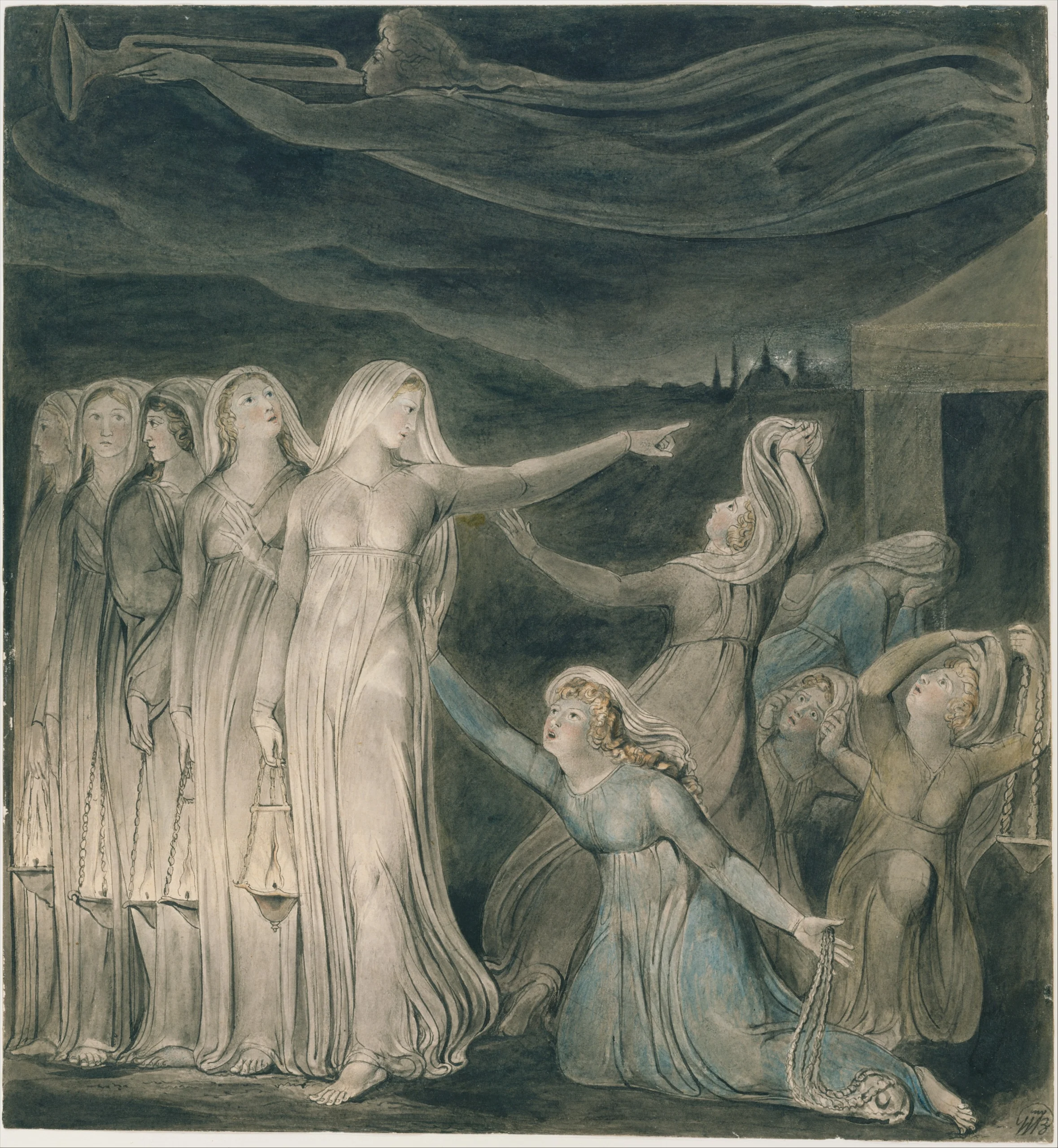
Advent is about being ready when Christ, “the thief in the night,” comes. Like the parable of the ten virgins awaiting the bridegroom, only five had oil for their lanterns to greet him and enter the banquet, while the other five were unprepared and left out. On the First Sunday of Advent, the lectionary always emphasizes our need to stay alert, keep watch, and be ready for the second coming of the Lord. Keeping watch means that we vigilantly calibrate our priorities in view of eternity. We don’t know which day will be our last or if today is the day Christ returns, but as Christians, we don’t want to be flat footed and caught off guard. Advent is a season to get your house in order and prepare for heaven.
Fast:
One way people prepare for the heavenly feast is by fasting. Jesus said, “How can the guests of the bridegroom mourn while he is with them? The time will come when the bridegroom will be taken from them; then they will fast” (Mt. 9:15). Advent is a time devoted to reflecting on the reality that the bridegroom is taken away and has not yet returned. While Advent is different than Lent, it shares similarities and functions as one of the seasons that the church has historically fasted.
Fasting makes the Christmas feast more fulfilling. The great Episcopal priest and theologian, Fr. Robert Capon, wrote on fasting in his cookbook, The Supper of the Lamb. He said,
“A man will, by fasting, be delivered from the hopelessness of mere gourmandise. The secular, for all its goodness, does not defend itself very well against mindless and perpetual consumption. It cries out to be offered by abstinence as well as use; to be appreciated, not simply absorbed: Hunger remains the best sauce. Beyond that, though, it cries out to be lifted into a higher offering still. The real secret of fasting is not that it is a simple way to keep one’s weight down, but that it is a mysterious way of lifting creation into the Supper of the Lamb. It is not a little excursion into fashionable shape, but a major entrance into the fasting, the agony, the passion by which the Incarnate Word restores all things to the goodness God finds in them. It is as much an act of prayer as prayer itself, and, in an affluent society, it may well be the most meaningful of all the practices of religion – the most likely point at which the salt can find its savor once again. Let a man fast in earnest, therefore. One way or another – here or hereafter – it will give him back his feasts.” Note 1
Celebrate 12 days of Christmastide:
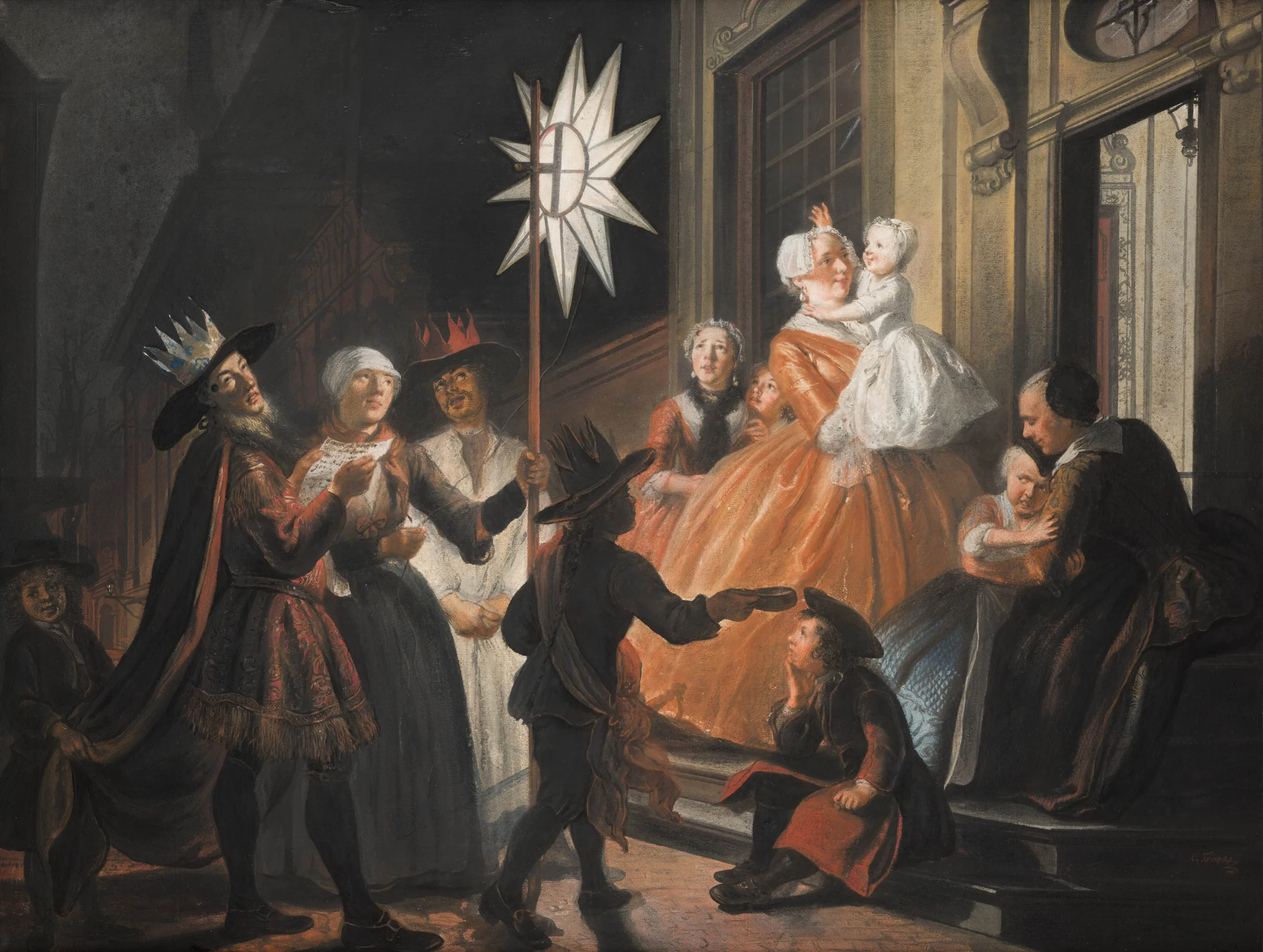
If you hold back at all during the season of Advent, then Christmas should be met with a climax of celebratory feast. Making Advent Great Again does not eliminate the Joy of Christmas from December, it enhances and extends it. This is particularly why Christmas is a season rather than a single day. There are many ways to celebrate the season. Like most, my kids love Christmas for the gift exchange. They, more than most, have enjoyed the idea 12 days of gift exchanges. In our home, we tend to create playful experiences together. However you feast, it is good that we extend and enjoy the Christmas feast to its fullness by inviting friends and neighbors into your bounty and the good tidings of Christ’s presence among us.
Conclusion:
We live in a frenetic and compulsive world that has been darkened by sin and Satan. Advent is a four-week treasure with precious pearls of wisdom for those who faithfully participate. My prayer for Christ Church is that we lean into the wisdom of the Church Calendar and be transformed by the Lord as we keep watch together.
Notes
- Robert Farrar Capon, The Supper of the Lamb: A Culinary Reflection (New York: Modern Library, 2002). Back to note 1 in the text